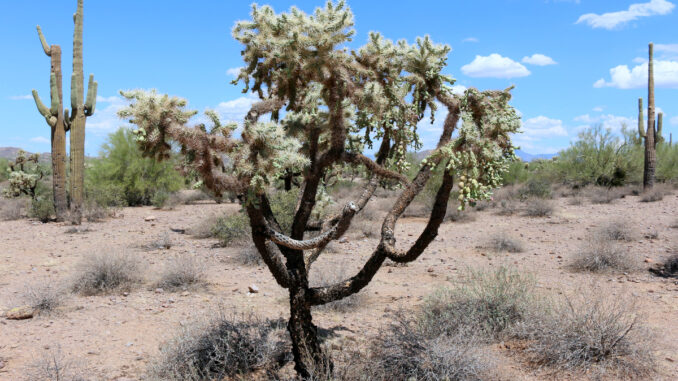
Lost Dutchman State Park in Apache Junction, Ariz. (Photo by Todd DeFeo/The DeFeo Groupe)
Guidebooks are annoying. Just because some editor who doesn’t know me tells me which restaurant is the best or what attraction is a must-see doesn’t make it a must-see attraction. Sightseers’ Delight is dedicated to the weird, the quirky and the fun. After all, traveling is fun.
If it’s not, you’re doing it wrong.
All of the places highlighted in this ever-growing database are great. Sightseers’ Delight has visited them all. We think you should make a point to see every one of them. But, this is not a guidebook. Just a webpage to help you plan your next adventure.
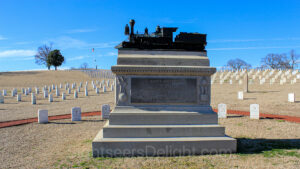
Chattanooga National Cemetery is located near the center of the city of Chattanooga, Tennessee. Administered by the United States Department of Veterans Affairs, it encompasses 120.9 acres and has more than 50,000 interments. The cemetery was established in 1863, by an order from Major General George Henry Thomas after the Civil War Battles of Chattanooga, as a place to inter Union soldiers who fell in combat.
The Chattanooga Whiskey Company was launched in November 2011, but the company initially distilled through contractor MGP of Indiana in Lawrenceburg, Indiana, because of Tennessee laws. In March 2015, after officials changed local laws, the company opened the first legal distillery in Chattanooga since Prohibition.
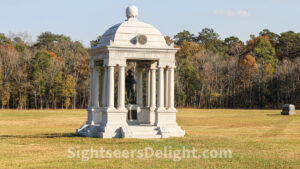
Chickamauga and Chattanooga National Military Park preserves the sites of two major battles of the American Civil War: the Battle of Chickamauga and the Chattanooga Campaign.
Chiesa di San Salvatore di Ognissanti or the Church of All Saints dates to the 1250s, but architect Bartolomeo Pettirossi rebuilt the church in Baroque-style around 1627. The Vespucci family attended the church, and Amerigo Vespucci is buried here. The church features 15th frescoes by Domenico Ghirlandaio and Sandro Botticelli, who is also buried in the church. Ghirlandaio created a fresco of the Last Supper in the refectory. The work may have influenced Leonardo da Vinci’s later work in Milan.
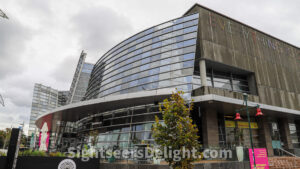
Christchurch Art Gallery Te Puna o Waiwhetu opened in May 2003 and replaced the former Robert McDougall Art Gallery, which opened in 1932. The Christchurch Art Gallery is home to works by both New Zealand and international artists. Following the 2010 Canterbury earthquake and the February 2011 Christchurch earthquake, Civil Defence used the building as a headquarters. The art gallery reopened in December 2015 following extensive refurbishments.
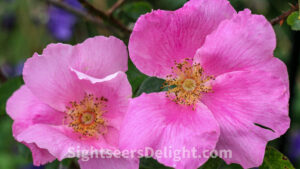
The Christchurch Botanic Gardens traces its origin to 1863. That year, an English oak was planted to commemorate the marriage of Prince Albert and Princess Alexandra of Denmark. The gardens are located next to the loop of the Avon River and Hagley Park. The gardens, which cover 21 hectares, are home to a collection of local and exotic plants. Its collection includes plants from across the globe.
Christ Church Burial Ground at 5th and Arch Streets in Philadelphia is the final resting place for several signers of the Declaration of Independence, including Benjamin Franklin and his wife, Deborah. Other signers buried in the cemetery are Joseph Hewes, Francis Hopkinson, George Ross and Benjamin Rush. Christ Church, an Episcopal church founded in 1695 and a place of worship for many of the famous Revolutionary War participants, including George Washington, owns the cemetery. The cemetery, located across from the Visitors Center and National Constitution Center, began in 1719.
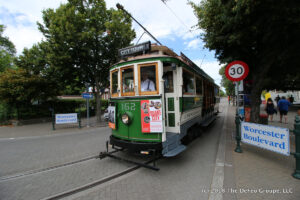
Christchurch Tram’s heritage tramcars offer a unique way to explore Christchurch’s inner city. Operating since 1995, the trams offer live commentary from your friendly driver along the 4-kilometer circuit. Your all-day ticket allows you to discover the delights of the central city at your leisure with stops at Christchurch’s major sights, including Canterbury Museum and Botanic Gardens, Arts Centre, Art Gallery, The Terrace and Riverside Market and New Regent Street. Eco-friendly and Qualmark Gold accredited, the Christchurch Tram is a must-do activity on any visit to the city
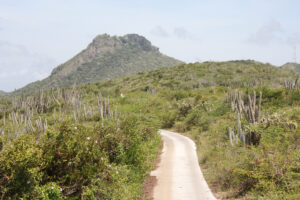
Christoffelpark is the largest national park on Curaçao and features a variety of local flora and fauna, including wild orchids, the Palabrua, the rare native barn owl and the Curaçao White Tailed deer. The park, which was officially handed made a national park in 1978, is home to eight hiking trails.