
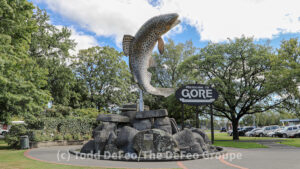
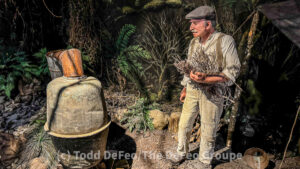
The Hokonui Moonshine Museum in Gore, New Zealand, explores one of Southland’s most colorful stories: the long tradition of illicit whisky making in the Hokonui Hills. Located in Gore’s heritage precinct, the museum brings together artifacts, recreated scenes, audio and visual displays to tell the story of the region’s prohibition-era bootleggers and the officials who tried to stop them. The Gore Visitor Centre serves as the front entrance to the museum.
The story includes the exploits of the McRae family, whose illegal distilling operations became part of New Zealand folklore after decades of dodging police and customs officers. Research for the museum began in the 1990s, when oral histories and archival records helped separate legend from fact and document more than 30 prosecutions under distillation laws. The museum opened in 2000 as a social history attraction focused on that unusual past.
In recent years, the site has expanded beyond interpretation alone. The museum now also includes a legal distillery, allowing visitors to connect the old Hokonui story with a modern expression of the spirit once made in secret.
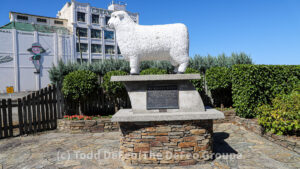
The Southern Provinces Romney Breeders Club erected The Romney Statue in Gore, New Zealand, in recognition of the importance of the sheep bred to the country’s meat and wool industry. K.A. Bain, president of the New Zealand Romney Sheep Breeders Association, unveiled the statue on July 2, 1991. Messrs. Bennett and Young first imported the Romney sheep to New Zealand, reaching Wellington in 1843. New Zealand Romney sheep comprise more than half of New Zealand’s 40 million sheep.