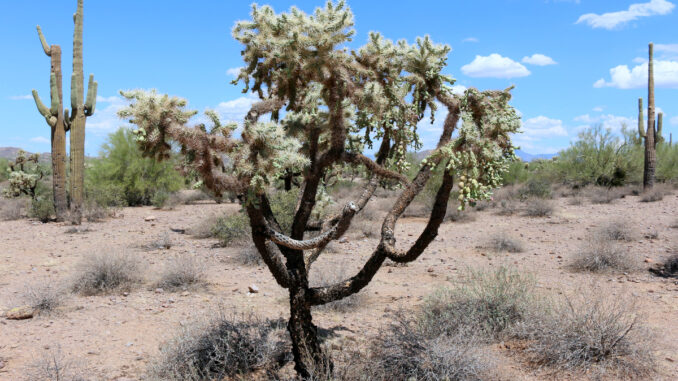
Lost Dutchman State Park in Apache Junction, Ariz. (Photo by Todd DeFeo/The DeFeo Groupe)
Guidebooks are annoying. Just because some editor who doesn’t know me tells me which restaurant is the best or what attraction is a must-see doesn’t make it a must-see attraction. Sightseers’ Delight is dedicated to the weird, the quirky and the fun. After all, traveling is fun.
If it’s not, you’re doing it wrong.
All of the places highlighted in this ever-growing database are great. Sightseers’ Delight has visited them all. We think you should make a point to see every one of them. But, this is not a guidebook. Just a webpage to help you plan your next adventure.
No trip to Toronto is complete without a visit to the Hockey Hall of Fame. The museum — known as the Temple de la renommée du hockey in French — dates to 1943 and has been in its current location on Yonge Street in the heart of Toronto since 1993. There are roughly 400 people — including players, builders and referees — inducted into the Hall of Fame. The 60,000-square-foot museum is home to heaps of memorabilia, helping to tell the story of hockey from its earliest days to modern times.
Built at a cost of $49 million — or $821 million with inflation — the Hoover Dam stops the Colorado River to create Lake Mead, itself a popular attraction. It has been open to visitors since 1937, and today, roughly 1 million people visit annually; the busy season falls between Memorial Day and Labor Day. Located roughly 35 miles east of Las Vegas, the Hoover Dam is an easy — and worthwhile — day trip from Sin City. A number of tour groups offer sightseeing excursions from Vegas hotels for those travelers who don’t have access to a vehicle.
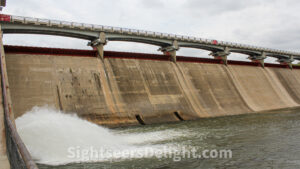
Hoover Dam dams the Big Walnut Creek, forming the Hoover Memorial Reservoir, which holds 20.8 billion gallons of water. Construction began during 1953; the dam was dedicated in 1955 and officially opened in 1958. It was named for brothers Charles P. Hoover and Clarence B. Hoover in honor of their careers with the City of Columbus Waterworks.
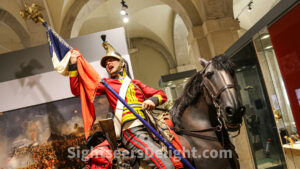
The Household Cavalry Museum preserves and interprets the history of the Regiments of the Household Cavalry, which dates back more than 350 years. The museum opened in June 2007 in the historic Horse Guards building. The museum includes working stables in addition to an extensive collection of historical artifacts.
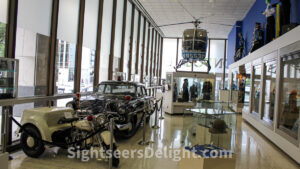
The Houston Police Department museum is located in the lobby of HPD headquarters at 1200 Travis. The museum features displays and a memorial wall honoring the officers who gave their lives in the line of duty. Displays include artifacts from the Honor Guard, SWAT, Mounted Patrol, badges, uniforms and other equipment police used over the years.
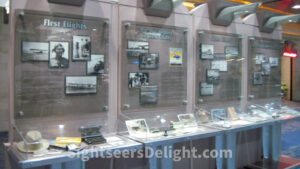
The Howard W. Cannon Aviation Museum chronicles the history of aviation in Las Vegas, from the first flights in 1920 to present day. The museum is located inside McCarran International Airport above baggage claim. Additional exhibits are located in ticketing and at the A, B, C and D gates. The museum is free, so even those who lost everything at the Blackjack table can enjoy this attraction.
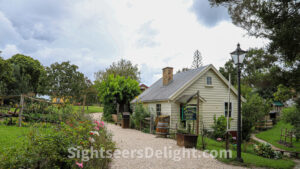
Howick Historical Village is a living museum in Auckland, New Zealand. It is a re-creation of a New Zealand colonial village using surviving buildings from the surrounding area. Despite its name, the Village is actually located in the suburb of Pakuranga.
The Hunter Museum of American Art features works representing a range of genres, including American Impressionism, early modernism, regionalism and post World War II modern and contemporary art. The museum, perched on an 80-foot bluff on the edge of the Tennessee River, opened in 1952 and is located in a building represents three distinct architectural stages: the original 1904 classical revival mansion designed by Abram Garfield, the son of president James A. Garfield, which has housed the museum since its opening in 1952, a brutalist addition built in 1975, and a 2005 addition designed by Randall Stout which now serves as the entrance to the museum.