
Overview
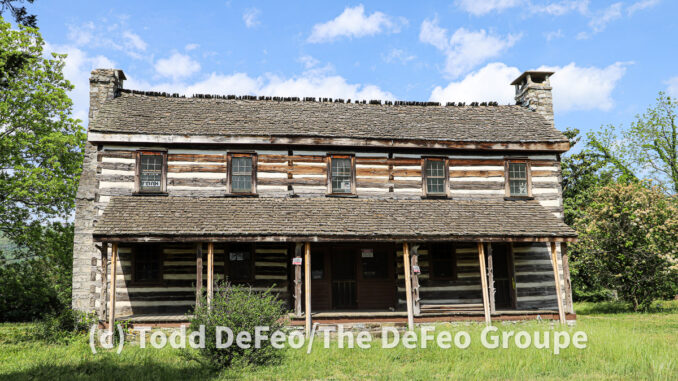
Brown’s Ferry Tavern in Chattanooga, Tennessee, is an early frontier building closely tied to Cherokee history and the development of travel routes along the Tennessee River.
Cherokee leader John Brown, who owned 640 acres in the area, ordered the tavern’s construction in 1803. By the 1830s, his land marked part of the boundary of the Cherokee Nation, giving the site added significance in the history of the region and its Native communities.
The tavern is also linked to the forced removal of the Cherokee. In 1838, the road passing the building became part of the route used by two Cherokee detachments on their way west to present-day Oklahoma. The nearby site of Brown’s Ferry, located downslope from the tavern along the Tennessee River, adds another layer to the property’s role in transportation and movement through the area.
Today, the tavern remains a private residence and is not open to the public. Even so, it remains historically important because of both its surviving exterior architecture and its connection to Cherokee history.
Quick Facts
- Status
- Existing
