
SMYRNA, Georgia — The presence of a major industry doesn’t just change a city’s skyline; it transforms the lives and identity of its community.
Nowhere is this more evident than in the area where Lockheed Martin has become a cornerstone of the local economy and culture. The company recently celebrated 75 years of continuous operations in Marietta, Georgia, supporting more than 6,300 jobs statewide and shaping the region’s legacy of innovation.
Lockheed Martin’s roots in the region stretch back to January 1951, when, as the United States entered the Korean War, the federal government turned over Air Force Plant 6—a factory mothballed after World War II—to Lockheed. This decision would set the stage for Marietta’s transformation into an aerospace hub.
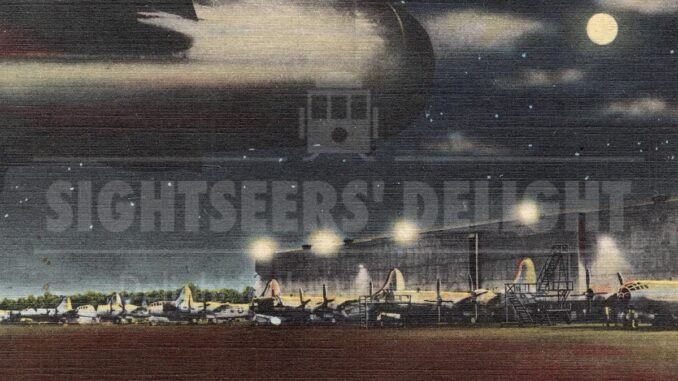
Before that, from April 15, 1943, to the end of World War II, the plant was known as the Bell Bomber Plant. Bell Aircraft produced B-29 Superfortresses under license from Boeing.
The plant was strategically located along the former Atlanta Northern Railway interurban line.
During the war, the factory produced 668 B-29s for the United States Army Air Forces and, at its peak, employed roughly 28,000 workers.
According to state officials, since 2019, Lockheed Martin has increased its Georgia workforce by more than 25%, adding over 1,200 jobs at its sprawling 8-million-square-foot Marietta facility alone.
Home to aerospace icons like the F-22 Raptor and C-130 Hercules, Marietta remains a place defined by innovation and progress. Since 1955, Marietta has been the global home of C-130 Hercules production — the site of America’s longest-running military aircraft production line.
More than 2,700 C-130s have rolled off the Marietta line and been delivered to over 70 operators worldwide. Today, this assembly line remains America’s sole production capacity for military airlift aircraft.