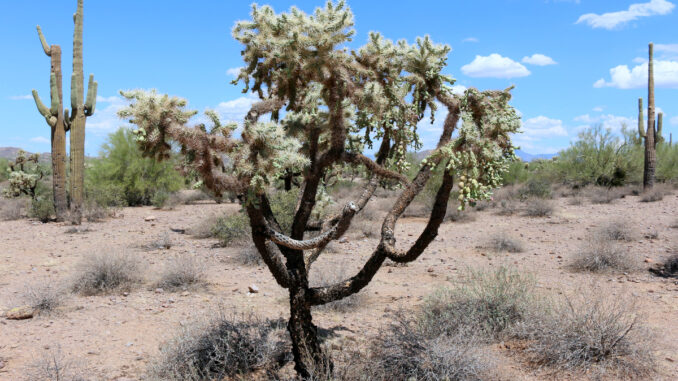
Lost Dutchman State Park in Apache Junction, Ariz. (Photo by Todd DeFeo/The DeFeo Groupe)
Guidebooks are annoying. Just because some editor who doesn’t know me tells me which restaurant is the best or what attraction is a must-see doesn’t make it a must-see attraction. Sightseers’ Delight is dedicated to the weird, the quirky and the fun. After all, traveling is fun.
If it’s not, you’re doing it wrong.
All of the places highlighted in this ever-growing database are great. Sightseers’ Delight has visited them all. We think you should make a point to see every one of them. But, this is not a guidebook. Just a webpage to help you plan your next adventure.
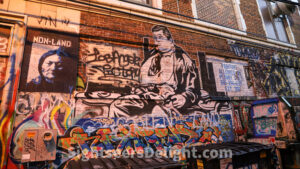
The Rapid City alley between Main and St. Joseph streets and connecting 6th and 7th streets isn’t some sort of tribute to New York City of the 1970s and 1980s. Instead, Art Alley is a place where established, burgeoning and wannabe artists put up their best work. Artists can procure a permit to paint on buildings’ walls along the alley, making it an ever-changing public art display.
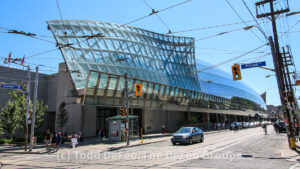
The 480,000-square-foot Art Gallery of Ontario is home to an impressive collection of art. But, its collection of more than 90,000 items doesn’t just include works by European artists, thought Pablo Picasso, Claude Monet and others are well represented. The museum houses an extensive collection of works by Canadian artists. Members of the Ontario Society of Artists established the museum in 1900 as the Art Museum of Toronto. Today, it is the second most visited art museum in Toronto following the Royal Ontario Museum.
The Atlanta BeltLine is a 22-mile multi-use trail along a former railway corridor around the core of Atlanta. A Georgia Tech student proposed transforming the former rail corridor into a trail in a 1999 master’s degree thesis. The Atlanta BeltLine aims to reconnect neighborhoods and communities divided by infrastructure, improve transportation, add green space, promote redevelopment, create affordable housing, and showcase arts and culture. The BeltLine has opened in sections, including the Eastside, Westside and Northside trails.
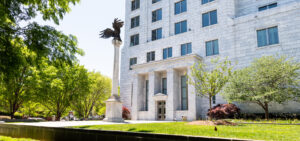
The Atlanta Monetary Museum at the Federal Reserve Bank of Atlanta in Midtown provides an interesting look into the history of currency. The museum’s collection includes a nice range of historic bills and coins. That includes $100,000 bills with President Woodrow Wilson and $10,000 bills with O’Hagel printed on them. It also has on display a rare set of coins from the former U.S. Mint in Dahlonega, Ga.
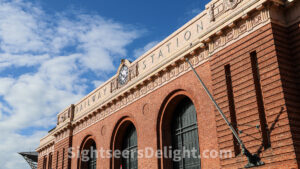
The Auckland Railway Station is the former main railway station of Auckland. Opened in 1930 on Beach Road, it replaced the previous Queen Street railway terminus which is approximately where the current main railway station, Britomart is located. The 1930 station was the third station to serve as the rail terminus for Auckland, and remained the sole station serving the CBD until its closure in July 2003, when Britomart became the new terminus.
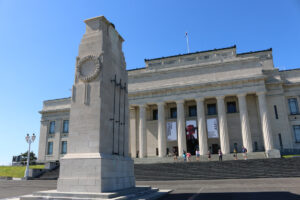
Auckland Museum is regarded as one of the finest Museums in the Southern Hemisphere and is renowned for its unique collection of Māori and Pacific treasures. It is also a war memorial for the Auckland province. Housed in one of the country’’s finest heritage buildings, the Museum tells the story of New Zealand as a nation; from award-winning natural history exhibits to galleries which investigate New Zealand’s cultural origins. Scars on the Heart, the Museum’’s war memorial exhibition, tells the story of New Zealand at war, while He Taonga Māori – the Museum’s Māori treasures gallery, displays over 2,000 priceless Māori artifacts, including rare carvings and the last great Māori war canoe carved from a giant Totara tree. Auckland Museum is the only venue in Auckland where visitors can experience a Māori cultural performance daily.
Badlands National Park in southwestern South Dakota covers 242,756 acres of sharply eroded buttes and pinnacles. It contains the largest undisturbed mixed grass prairie in the United States. Originally established as Badlands National Monument on March 4, 1929, it wasn’t officially designated as a national park until November 10, 1978.